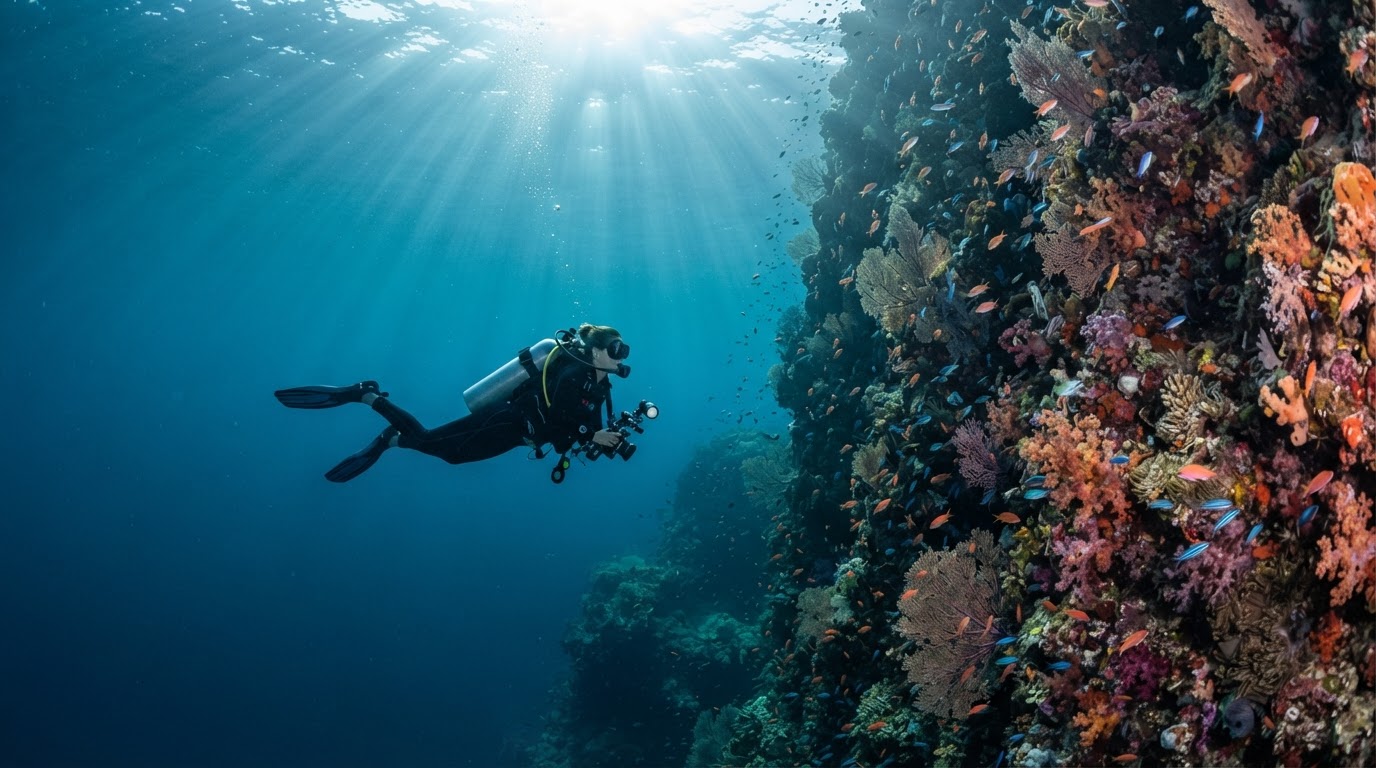
There is a moment every diver knows. The one where you roll backward off a RIB, hit the water, and descend into a world that feels like it belongs only to you. No bubbles from the group ahead. No camera arms jostling for position. No divemaster herding you along like an underwater tour bus. Just you, your buddy, and the ocean doing what it does best — being magnificent in complete indifference to human attention.
That moment is getting harder to find.
The Maldives has become a hashtag. Raja Ampat is booked solid through 2027. Komodo's Pink Beach has more selfie sticks than sand. The world's most celebrated dive sites are being loved to death — and the divers who built their reputations are quietly slipping away to secret dive spots that don't appear on the front page of TripAdvisor. As we noted when curating 13 dive sites that will ruin your land life forever, finding untouched marine environments is getting harder.
We are those divers. And these are the places we go when we want to remember why we started.
The seven hidden gem dive sites below are not theoretical. They are not "up and coming." They are real, operational, and breathtaking — and they share one thing in common: the crowds haven't ruined them yet. Some are hard to reach. Some have short seasons. Some have no infrastructure at all beyond a single liveaboard or a family-run dive shack on a dirt road. That is precisely the point.
The tribe doesn't follow the crowd. The tribe finds its own coordinates.
1. Socorro Islands, Mexico — Where Mantas Come to Make Friends
📍 Location: Revillagigedo Archipelago, Pacific Ocean, 400 km off Baja California
🌊 Best Season: November – May (closed June – October)
🤿 Experience Level: Intermediate to Advanced
The Dive
If the Galápagos had a wilder, more reclusive cousin, it would be Socorro. Four uninhabited volcanic islands rise from the Pacific floor like forgotten cathedrals — sheer walls, submerged pinnacles, and cleaning stations that draw some of the largest pelagic animals on Earth. This is not coral-garden diving. This is open-ocean theatre.
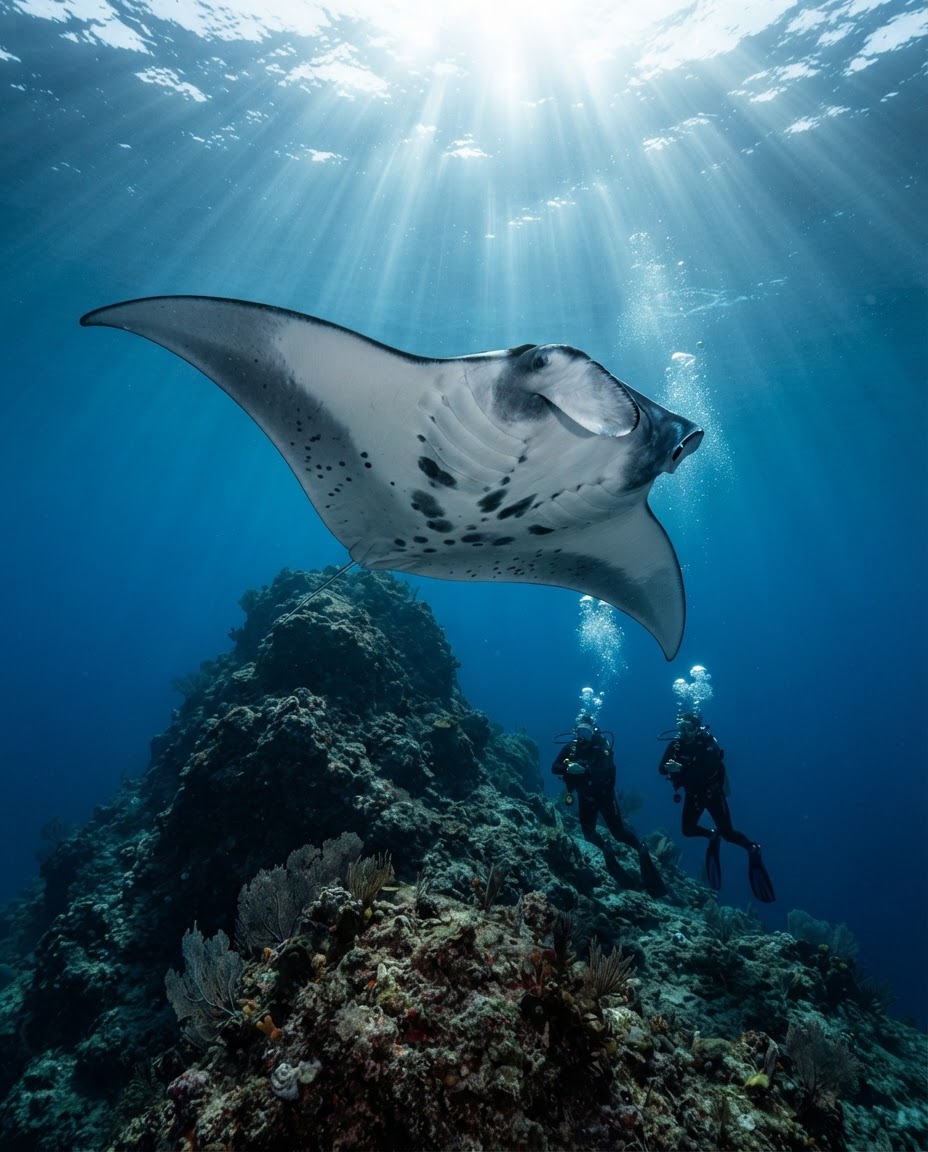
The giant oceanic manta rays are the headliners. At sites like The Boiler off San Benedicto Island, these 7-metre-wingspan behemoths don't just tolerate divers — they seek them out. They hover. They make eye contact. They swim directly into your bubble stream and let the effervescence tickle their undersides. It is the most intimate manta encounter on the planet, and it happens in water so blue it feels like a dream you haven't earned yet.
Then there are the sharks. Scalloped hammerheads school in the hundreds at El Canyon. Galapagos sharks, silky sharks, whitetips, and the occasional tiger shark patrol Roca Partida — a lonely, white-capped rock in 3,000 metres of open ocean where the biomass is so dense it blocks the sun. From January through March, humpback whales arrive to breed and calve. You will hear them singing through your regulator before you see them. You will surface next to a 40-ton mother and her calf, and you will remember how small you are.
🤐 Why It's Still Secret
Liveaboard-only access. 22 hours of open-ocean crossing from Cabo San Lucas. A strictly limited number of permits issued by the Mexican government. No resorts. No day trips. No Instagram reels. The Revillagigedo Islands are a UNESCO World Heritage Site and a fully protected national park — and the authorities intend to keep it that way. Night diving is prohibited. Solo diving is prohibited. Gloves, knives, and reef hooks are banned. The park caps the number of liveaboards allowed simultaneously, and boats coordinate dive schedules so no single site gets overwhelmed.
The result? Even at the height of season, you will share The Boiler with perhaps one other group. Maybe two. The mantas have never learned to fear humans because humans have never given them a reason.
The tribe knows: Book 12 months in advance. The best boats fill up by March for the following November. This is not a spontaneous trip. It is an expedition.
2. Tubbataha Reefs, Philippines — The Marine Park That Closes to Humans
📍 Location: Sulu Sea, 150 km southeast of Palawan
🌊 Best Season: Mid-March – Mid-June only
🤿 Experience Level: Advanced (40+ logged dives recommended)
The Dive
There are places that are remote. And then there are places that are legally inaccessible for nine months of the year.
Tubbataha Reefs Natural Park falls into the second category. A pair of submerged atolls and a smaller reef system in the dead centre of the Sulu Sea, Tubbataha is reachable only by liveaboard during a narrow 12-week window when monsoon winds relent. Outside that window, the park is closed. Completely. No divers. No boats. No humans at all. Just a permanent ranger station on North Atoll, a few thousand seabirds, and some of the healthiest coral walls on Earth left to regenerate in peace.
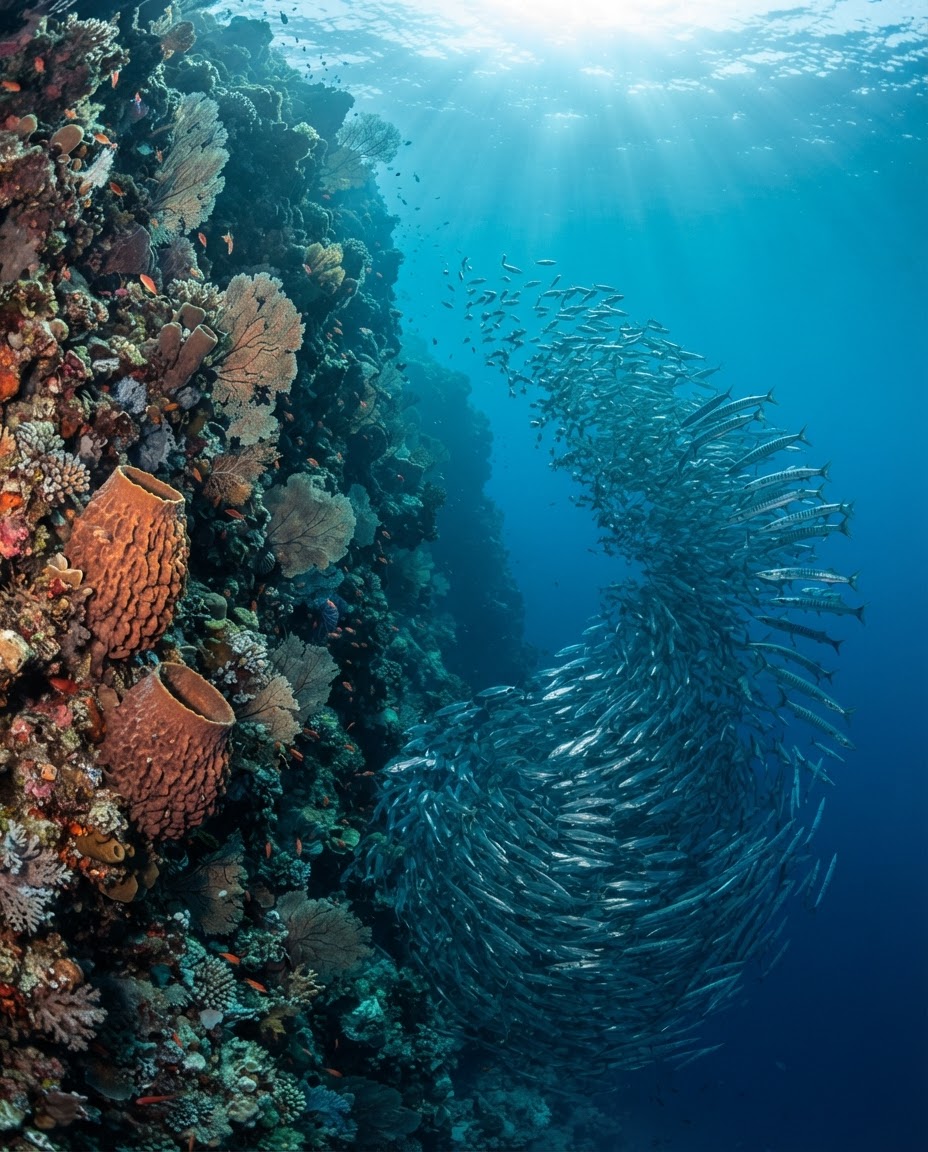
When you do get there, the numbers are almost absurd. Over 600 species of fish. 373 species of coral. 11 species of sharks. 12 species of dolphins and whales. Schools of jacks so dense they spin like underwater tornadoes. Chevron barracuda in formations that would make a military parade jealous. Grey reef sharks patrol the deep walls. Whitetip reef sharks pile onto ledges at Roca Partida to sleep. Whale sharks — smaller, curious juveniles that seem to have made Tubbataha their nursery — approach divers and play in their bubbles.
The walls themselves are living monuments. Barrel sponges the size of compact cars. Gorgonian fans that stretch 3 metres across. Soft coral forests in colours that don't have names in any language. Visibility routinely hits 30–45 metres. Currents range from mild to "washing machine" — the aptly named dive site that separates the tourists from the tribe.
🤐 Why It's Still Secret
A 12-week season. Liveaboard-only access requiring a 10–16 hour open-ocean crossing from Puerto Princesa. Advanced certification requirements. And a park management system that deliberately limits visitors to preserve the ecosystem. Tubbataha was declared a UNESCO World Heritage Site in 1993 — one of the first marine sites in the world to receive that protection. The Philippine government has doubled down ever since.
The crossing is genuinely rough. The diving is genuinely challenging. And the window is genuinely short. That triple filter keeps the weekend warriors in Boracay and leaves Tubbataha to the committed.
The tribe knows: April and May are the sweet spot — stable weather, peak marine life, and the whale shark encounters are most reliable. Book by July for the following spring. The best boats sell out before Christmas.
3. Wakatobi, Indonesia — The House Reef That Outdives Most Countries
📍 Location: Southeast Sulawesi, Indonesia, Banda Sea
🌊 Best Season: Year-round (March–November optimal)
🤿 Experience Level: All levels
The Dive
Wakatobi is an acronym — Wangi-Wangi, Kaledupa, Tomia, Binongko — four islands in a forgotten corner of Indonesia that collectively hold one of the most extraordinary statistics in diving: 942 recorded fish species and 750 coral species. To put that in perspective, the entire Caribbean Sea has 50 fish species and 300 coral species. Wakatobi has nearly every coral species known to science.
The diving is not dramatic in the way Socorro is dramatic. There are no 7-metre mantas. No schooling hammerheads. Instead, Wakatobi offers something rarer: perfection at every scale. Divers who know how to read a reef like a marine biologist quickly appreciate the unmatched coral diversity.
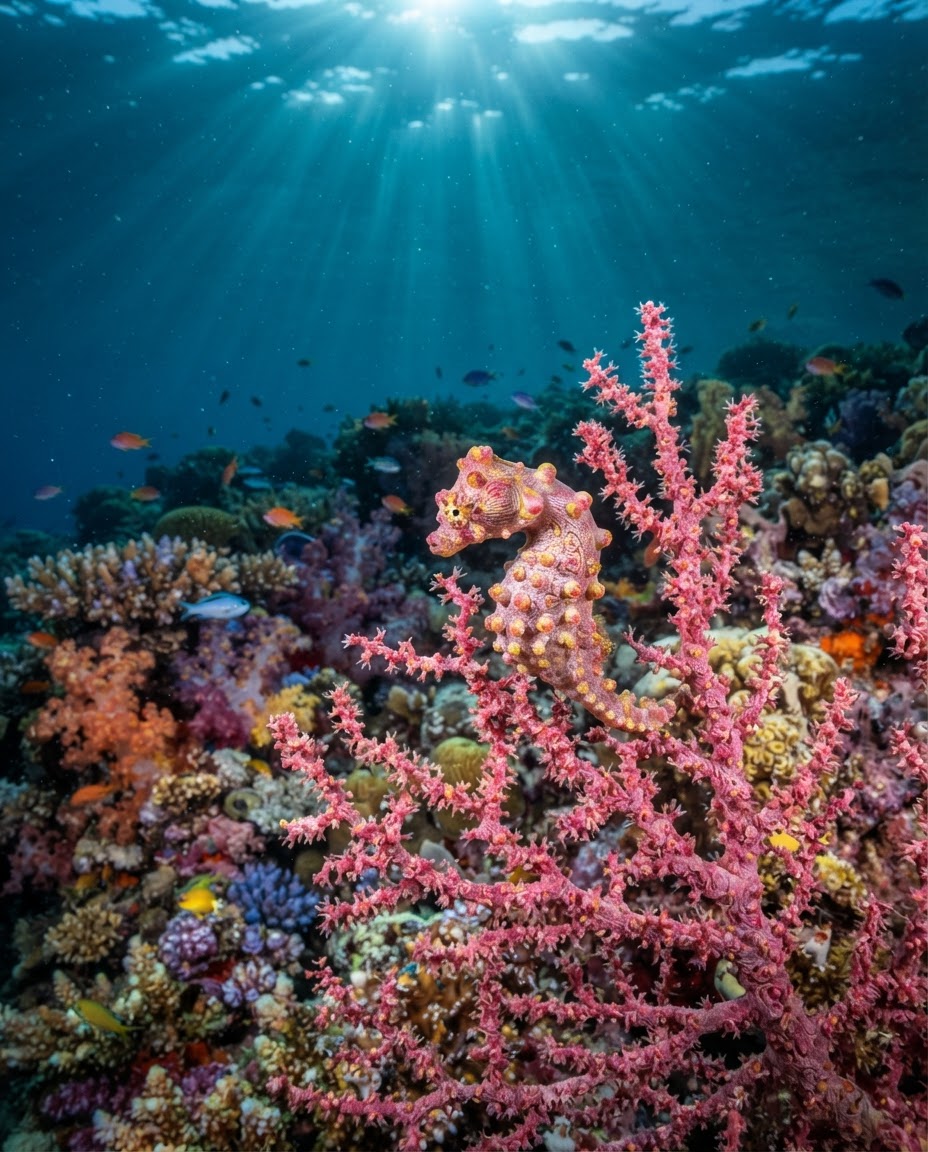
The house reef alone — accessible by walking off the resort's jetty into knee-deep water — contains more biodiversity than most countries' entire marine territories. Within a 10-metre swim you will find pygmy seahorses clinging to gorgonian fans, blue-ringed octopus hunting in rubble fields, frogfish the size of thumbnails, and schools of bumphead parrotfish that move through the shallows like aquatic buffalo. The visibility is glass-clear year-round — Wakatobi receives only 25% of Indonesia's average rainfall, so runoff never clouds the water.
Beyond the house reef, sites like The Blade — a narrow seamount rising from 60 metres like a submerged skyscraper — offer pelagic action that surprises even veterans. Cornucopia is a wall dive where the coral coverage is so complete you cannot see rock. And because the entire region is a national park and UNESCO Biosphere Reserve, the health of the reef is not accidental. It is the result of three decades of active protection.
🤐 Why It's Still Secret
Geographic isolation. No international airport. A 90-minute charter flight from Bali to a private airstrip, or a multi-day boat journey from Sulawesi. Wakatobi has deliberately chosen exclusivity over volume. The resort itself caps guest numbers. There are no backpacker hostels, no all-inclusive package deals, no cruise ships. Just a single luxury dive resort, a handful of liveaboards, and enough reef to keep a marine biologist occupied for a lifetime.
The cost filters out the casual diver. The travel time filters out the impatient. What remains is a community of serious underwater enthusiasts who understand that Wakatobi is not a destination you tick off a list — it is a place you return to, year after year, because nowhere else comes close.
The tribe knows: The resort's "all-inclusive" model means unlimited shore diving on the house reef. Bring a macro lens. You will use it more than your wide-angle.
4. Aliwal Shoal, South Africa — Where Raggies Come to Mate in Church
📍 Location: KwaZulu-Natal coast, 5 km offshore from Umkomaas
🌊 Best Season: Year-round (June–November for ragged-tooth shark aggregations)
🤿 Experience Level: Intermediate to Advanced
The Dive
Aliwal Shoal is a fossilised sandbar — a 2-kilometre prehistoric reef sitting in the warm Agulhas Current, 5 kilometres off South Africa's eastern coast. It is one of the oldest dive sites in the country, declared a Marine Protected Area in 2005, and yet it remains one of the most underrated scuba destinations for pelagic action.
Their loss. Our gain.
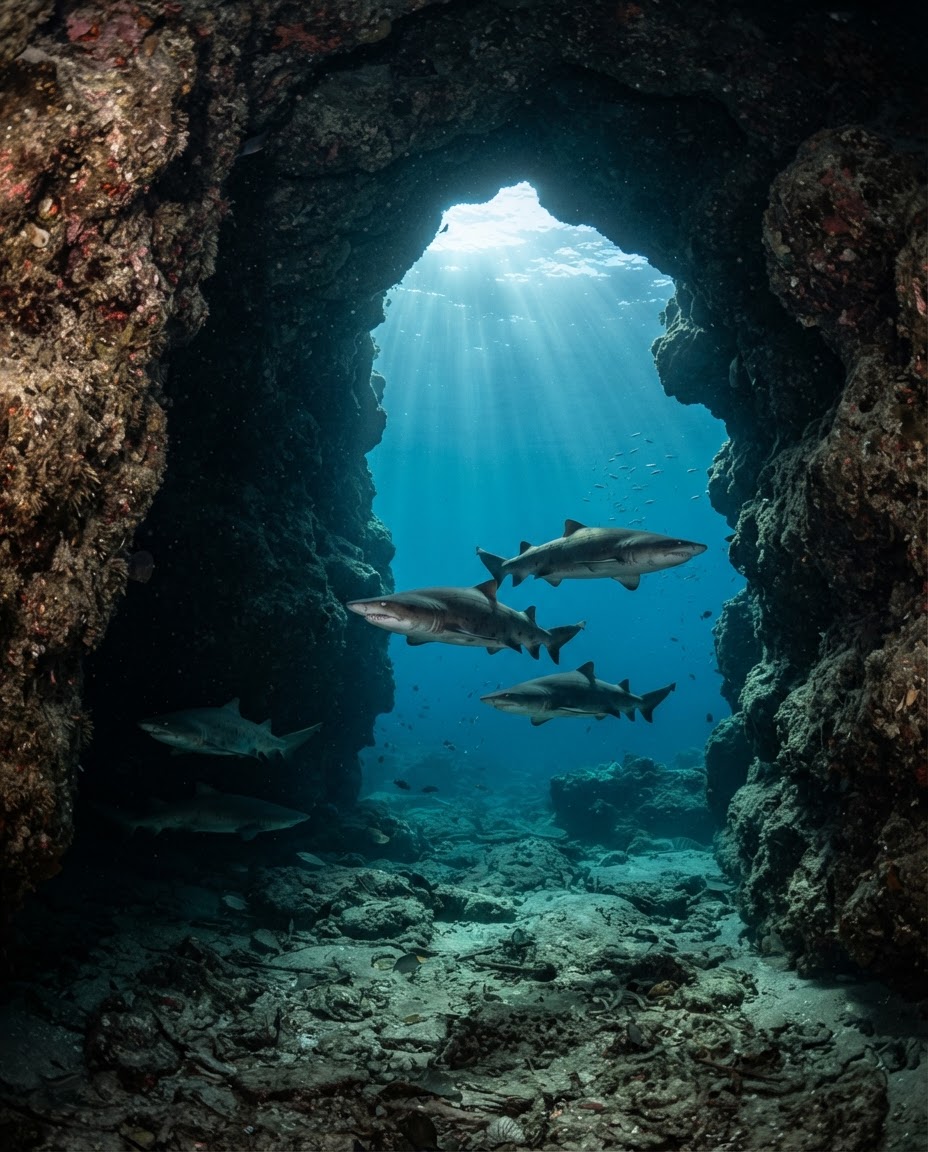
The signature site is Cathedral — a massive natural archway in the reef at 18 metres that resembles a gothic cathedral window. From June through November, ragged-tooth sharks ("raggies" to the locals) gather here in numbers that defy belief. Fifty. A hundred. Sometimes more than 150 individuals in a single dive. They are not feeding. They are mating. They are docile, almost sedate, and completely unbothered by divers hovering at the entrance to their underwater sanctuary. It is one of the most reliable shark aggregations on Earth, and you will share it with maybe a handful of other divers.
But Aliwal is not a one-species wonder. Oceanic blacktip sharks patrol year-round. Tiger sharks arrive in summer. Hammerheads gather at nearby Protea Banks from October through March. Two wrecks — the 119-metre Produce and the 19th-century Nebo — add historical texture to the marine biodiversity. And for the adrenaline seekers, baited shark dives bring oceanic blacktips and the occasional tiger shark to within metres of your mask.
The water is warm (20–27°C), the visibility is solid (10–30 metres), and the launches are pure Africa — rigid inflatable boats punching through surf at full throttle, then beaching at speed on the way home. It is not polished. It is not gentle. It is utterly exhilarating.
🤐 Why It's Still Secret
South Africa's reputation. Umkomaas is not Cape Town. It is not the Kruger. It is a small coastal town south of Durban that most travellers have never heard of. The divers who come to Aliwal are almost exclusively South African or European — the destination has never broken into the North American or Asian markets in a meaningful way. There are no luxury resorts, no infinity pools, no spa treatments. Just excellent diving, warm people, and the kind of raw, unfiltered marine experience that feels like diving did thirty years ago.
The "dangerous South Africa" narrative keeps casual tourists away. The truth is more nuanced — and the diving is worth every minute of the journey.
The tribe knows: Combine Aliwal with the Sardine Run (May–July) and a safari at Phinda or Hluhluwe-iMfolozi. It is the most underrated multi-element dive-and-safari itinerary on the planet.
5. Marsa Alam, Egypt — The Red Sea's Forgotten Southern Frontier
📍 Location: Southern Red Sea, Egypt, 280 km south of Hurghada
🌊 Best Season: Year-round (autumn optimal for quieter conditions)
🤿 Experience Level: All levels (advanced for offshore sites)
The Dive
Everyone knows the Red Sea. Sharm El-Sheikh. Hurghada. Dahab's Blue Hole. What most divers don't know is that the Red Sea gets better the further south you go — and Marsa Alam is as far south as mainstream tourism currently reaches.
What was a sleepy fishing village a decade ago has grown into a low-key dive hub with a crucial difference: it is still quiet. While Hurghada groans under the weight of all-inclusive resorts and liveaboard fleets, Marsa Alam retains a frontier-town feel. Much like planning a trip using a Maldives dive calendar, timing your Red Sea trip in autumn delivers optimal conditions with minimal crowd pressure.
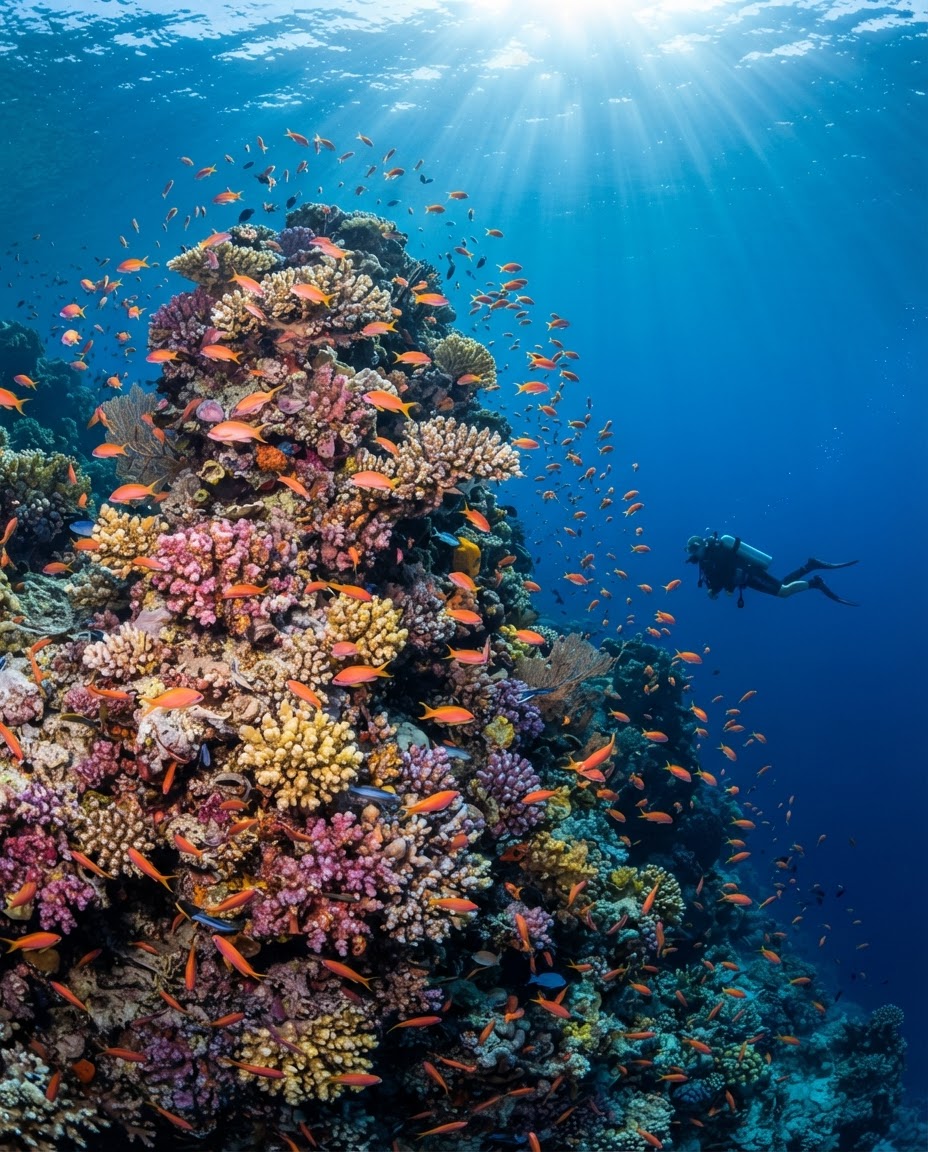
Elphinstone is the crown jewel. A 12-kilometre offshore reef famous for oceanic whitetip sharks and hammerheads, it sits in open water where currents bring in pelagic life that the northern Red Sea simply cannot match. The Brothers Islands — two rocky outposts 70 km offshore — offer vertical walls draped in soft corals, gorgonian forests, and sharks (grey reef, silky, silvertip, hammerhead) that patrol the blue with predatory indifference. Daedalus Reef, even further out, is a marine park so remote that liveaboards visit less frequently — and the thresher sharks that circle its southern point reward the effort.
Closer to shore, Abu Dabbab Bay offers something rarer: a reliable dugong population. The sea cows graze the seagrass meadows in 4 metres of water, completely unbothered by snorkellers and divers. Dolphins are regular visitors to Samadai Reef. Sea turtles nest on the beaches. And the house reefs at many resorts are healthy enough to make shore diving genuinely rewarding.
🤐 Why It's Still Secret
Infrastructure. Or rather, the lack of it. Marsa Alam International Airport has limited international connections. Most visitors fly to Hurghada and endure a 3-hour desert transfer. The town itself has none of Hurghada's nightlife, shopping, or resort glitz. The offshore sites — Elphinstone, Brothers, Daedalus — require liveaboard access or long day-boat journeys that filter out the casual diver.
The Egyptian tourism industry's post-2011 recovery has focused almost exclusively on the northern Red Sea. Marsa Alam has been left to develop organically — slowly, sustainably, and under the radar. For divers willing to trade convenience for quality, that is a feature, not a bug.
The tribe knows: Visit in October or November. The water is still warm (26°C), the summer crowds have gone, and the oceanic whitetips are at Elphinstone in force. The visibility can hit 30+ metres on a good day.
6. Tofo Beach, Mozambique — The Whale Shark Capital Nobody Talks About
📍 Location: Inhambane Province, southern Mozambique, 470 km north of Maputo
🌊 Best Season: October–March (peak whale shark); year-round for manta rays
🤿 Experience Level: All levels
The Dive
Tofo Beach is a contradiction. It is simultaneously one of the most reliable places on Earth to swim with whale sharks — the largest fish on the planet — and a destination that most divers have never seriously considered. That contradiction is Mozambique in a nutshell: extraordinary marine life, minimal infrastructure, and a location that requires genuine commitment to reach.
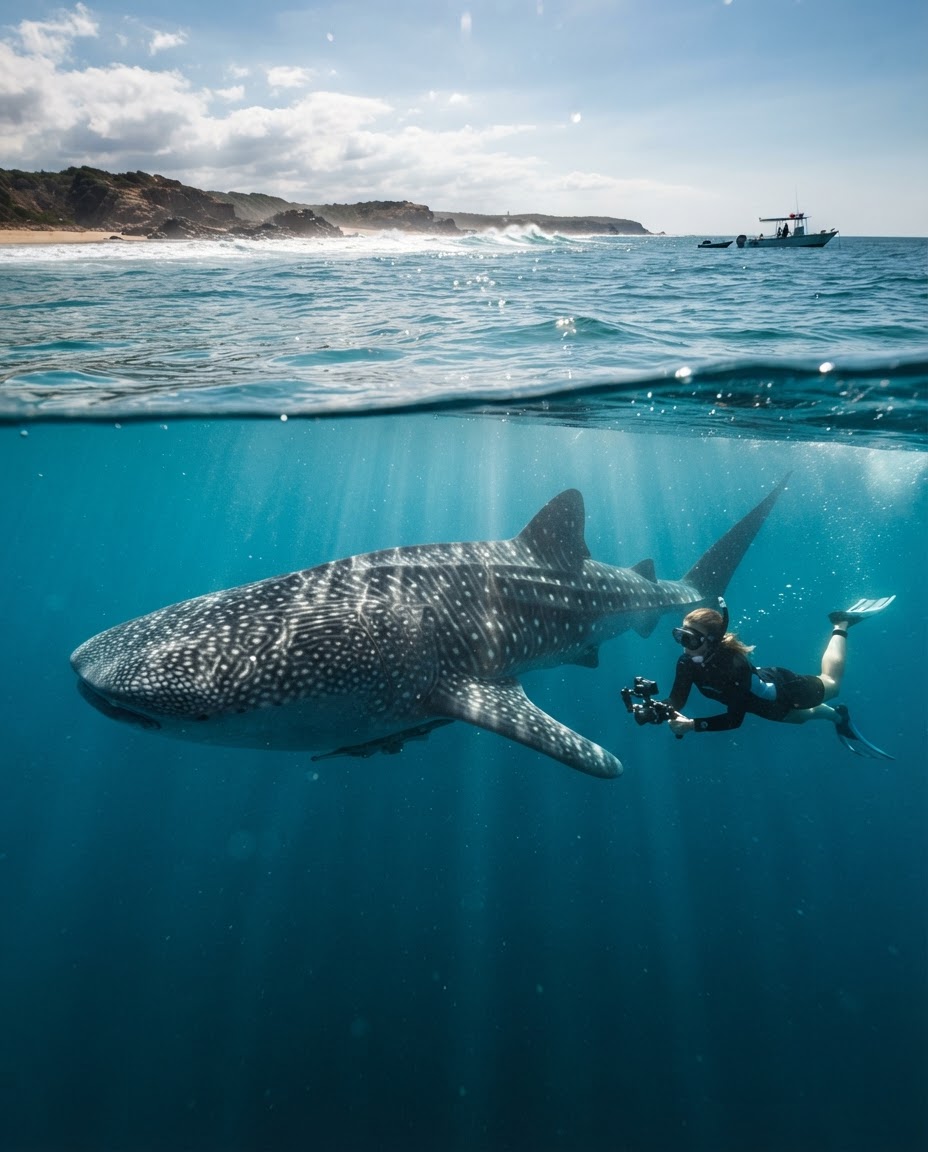
The statistics are staggering. Research supported by the Marine Megafauna Foundation in Tofo since 2003 has identified over 1,200 individual whale sharks in local waters. During peak season (December–January), encounter rates hit 80–90%. These are not fleeting glimpses. The whale sharks here are residents, not passers-through, and they have developed a tolerance for human presence that allows for extended, intimate encounters. You slip into the water. A 10-metre filter-feeding giant glides past. You swim alongside it for minutes. It does not flinch. It does not dive. It simply continues its ancient rhythm, mouth open, collecting plankton, while you try to remember how to breathe through a snorkel.
The manta rays are equally impressive. Around 750 reef mantas have been identified in Tofo waters — a population density that dwarfs most other aggregation sites. Manta Reef, 15 km south, is a cleaning station where 3–5 metre rays glide in circles while cleaner wrasse attend to their skin. The Salon, a coral amphitheatre at 24 metres, produces hammerhead sharks from June through October. Giants Castle, deeper still, hosts schooling devil rays in groups of 20–50. And from June through November, humpback whales migrate past the coast close enough to spot from the beach.
🤐 Why It's Still Secret
Accessibility. The journey to Tofo is not easy. From Maputo, it is a 6–7 hour drive on roads shared with wandering livestock, cyclists, and police checkpoints. From Johannesburg, add a border crossing and 12+ hours of overland travel. LAM Mozambique Airlines flies to Inhambane three times a week — irregular enough that most divers never bother.
Once there, the infrastructure is basic. Sand roads. Intermittent electricity. A handful of dive operators. No chain hotels. No luxury resorts. The divers who come are backpackers, researchers, South Africans on road trips, and a small but devoted international following who heard about Tofo by word of mouth. The Marine Megafauna Foundation's presence means there is serious science happening alongside the tourism — and the foundation's conservation work is one reason the megafauna populations have remained robust despite fishing pressure elsewhere in Mozambique.
Tofo is not for everyone. That is exactly why it is still magical.
The tribe knows: The boat launches are "South African style" — RIBs punched through surf at full throttle. Hold on tight. You will get soaked. You will also laugh harder than you have on any other dive trip.
7. Kalimantan (Derawan Archipelago), Indonesia — Borneo's Forgotten Reefs
📍 Location: East Kalimantan, Indonesian Borneo, Sulawesi Sea
🌊 Best Season: Year-round (February–August optimal)
🤿 Experience Level: All levels
The Dive
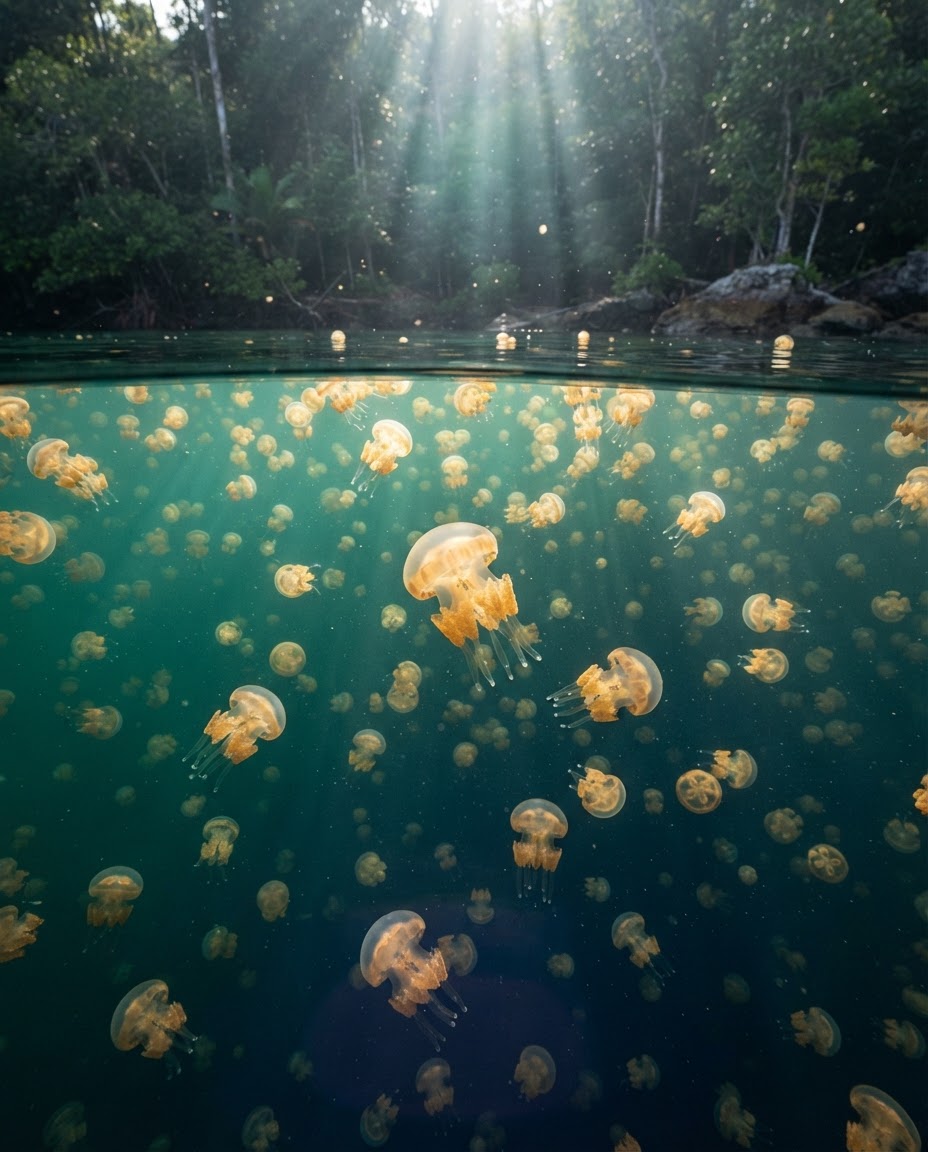
When divers think of Indonesian Borneo, they think of Sipadan — the Malaysian side, the turtle wall, the permit lottery. For divers seeking true off the beaten path diving, the Derawan Archipelago ranks second only to Raja Ampat in coral diversity. Over 460 coral species. 870+ fish species. Manta rays. Whale sharks. Thresher sharks. Leopard sharks. And a saltwater jellyfish lake that rivals Palau's famous attraction — minus the 10,000 tourists.
The archipelago's four main islands each offer a different flavour. Sangalaki is the manta island — year-round encounters with reef mantas gliding through shallow lagoons and channels, plus a turtle hatchery that releases hundreds of juveniles annually. Kakaban is the jellyfish lake island — a landlocked body of trapped seawater where four species of stingless jellyfish have evolved in isolation, creating a snorkelling experience that feels like swimming through a living lava lamp. (Note: the lake periodically closes for conservation research — when it does, Kakaban's outer reef walls are still world-class.) Maratua is the wall-diving island — a crescent-shaped atoll with steep drop-offs, strong currents, and "Big Fish Country" where barracuda, trevally, reef sharks, and bumphead parrotfish gather in numbers that remind you why you learned to dive in the first place. Derawan itself is the macro island — frogfish, ghost pipefish, nudibranchs, and enough turtles grazing the shallows that you will stop counting after your third dive.
🤐 Why It's Still Secret
Logistics. Pure, unadulterated logistics. There is no direct international flight to Berau, the gateway town. Most travellers route through Balikpapan — itself a 2.5-hour flight from Jakarta or Bali — then take another flight to Berau, then a 3-hour car ride to Tanjung Batu harbour, then a 30-minute speedboat to Derawan Island. The total journey from Europe or North America can exceed 40 hours door-to-door.
That journey filters out 99% of divers. What remains is a handful of liveaboards, three small resorts, and a reef system so alive it hums with colour. Post-COVID, some international routes have yet to fully recover — meaning even fewer visitors than before. For the tribe, that is an invitation.
The Derawan Archipelago is what Raja Ampat was twenty years ago. The question is not whether to go. The question is whether you go before the rest of the world figures it out.
The tribe knows: Scuba Junkie's Sangalaki operation is one of the most ethically run dive resorts in Indonesia — marine conservation integrated into every aspect of the experience. Stay there. Dive with them. Support the work.
The Map to the Secret List
These seven best unknown dive sites share a common thread: they are not easy. They require planning. Patience. Commitment. Advanced certification for some. Multi-leg journeys for others. A tolerance for rough crossings, basic accommodations, and the kind of travel that doesn't come with a concierge.
But that is precisely why the tribe values them.
The ocean is not a theme park. It is not a checklist. It is a living, breathing, indifferent wilderness that rewards those who meet it on its own terms. The crowds flock to the easy destinations — the ones with direct flights, five-star resorts, and underwater photography contests. The tribe goes where the crowds haven't arrived yet. Where the reefs are healthier. Where the animals are wilder. Where the silence underwater is not a luxury — it is the default.
We have shared seven coordinates with you. There are five more on the secret list. The ones we refuse to post on Instagram. The ones that require a personal introduction, a trusted operator, and the kind of discretion that keeps special places special.
That list lives in The DeepBeat Dispatch.
Join the DeepBeat Tribe
The blog is the surface. The Dispatch is the deep.
Every month, we send one hidden gem to our tribe — a destination, a technique, a story from the blue that we don't publish anywhere else. No algorithms. No feeds. Just one email, written like a letter to a friend who understands why we do this.
Join the tribe to receive exclusive ocean destination dispatches, secret dive maps, and festival announcements.
DeepBeatDives is building the world's first premium deep-sea scuba + music destination festival in the Maldives. But the tribe doesn't wait for festivals. The tribe is already in the water. Join us.